
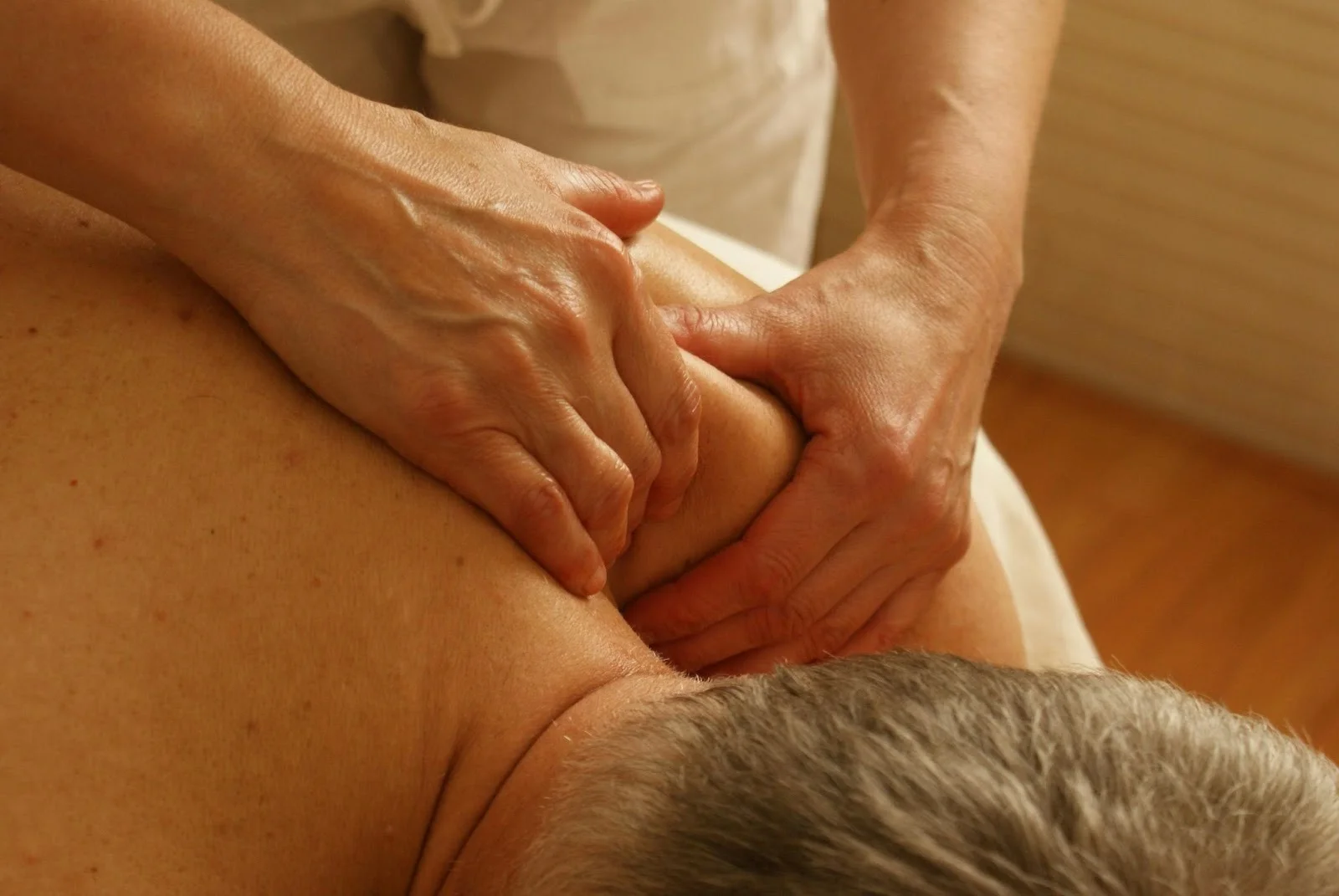
Deep tissue massage is a form of massage therapy which works on the deep layers of muscle and connective tissue (fascia). Rather than gentle strokes on the surface, the therapist applies slow, concentrated pressure in an attempt to reach muscles and tissues lying deeper beneath the skin. The goal is to relieve chronic muscle tension, muscle stiffness or chronic tightness by loosening tight muscles and regaining mobility.
Deep tissue massage is selected when superficial gentle massages are not effective enough to grant relief. It goes for deeper issues: stubborn knots, deeply held tension, or areas of repeated stress or strain.
How It Works: Techniques and What to Expect
A typical deep tissue massage session starts with more light, gentle strokes to warm up the muscles. Once the muscles are relaxed, the therapist then proceeds to deeper work, including such techniques as kneading, friction (rubbing against the grain of the muscle) and sustained deep strokes. The therapist may use hands, fingers, thumb, forearms or elbows, depending on the area and depth required. During deep work, pressure can be intense — but not so intense that it will cause harm. Because the pressure penetrates the deeper layers of muscle and connective tissue it can cause serious changes: muscles may release tension, adhesions can be softened, blood flow may improve, and the overall mobility of tissues may improve. After the session, it is not uncommon to experience some soreness or tenderness in treated areas for a day or two. This is often part of the process, as deep pressure aids in flushing out the metabolic debris and promotes healing by increasing circulation.
Benefits of Deep Tissue Massage
Deep tissue massage has a wide range of benefits, particularly for those who experience chronic muscle issues or need to recover from a specific problem. One of the chief benefits is pain-relief. It can be successful in treatment of chronic back pain, neck pain, shoulder stiffness, or pain associated with muscle overuse. For many people, deep tissue massage helps to reduce the intensity of pain and to improve their mobility when pain has been a barrier. In addition to pain relief, deep tissue massage can enhance flexibility and movement. By releasing tight muscles and breaking down adhesions or scar tissue, it helps to restore range of motion — that can be especially helpful if stiffness is a factor limiting everyday activity. For those who are undergoing recovery from muscle strains, sports injuries or repetitive stress ailments, deep tissue massage can help.
Improved circulation means better supply of oxygen and nutrients to the muscles which helps repair processes. Reduced inflammation and muscle tension may help improve the healing process quicker, reduce stiffness and restore normal function.
Deep tissue massage may also have a beneficial effect on posture. Chronic tension or imbalance in some muscles — such as from long hours of sitting or poor posture — can cause misalignment or discomfort. Treating deep muscle tension and correcting imbalances may help with better posture and less discomfort over time.
Many people find a sense of relief from stress, tension and fatigue after a deep tissue session. The physical release of tight muscles can result in higher levels of relaxation, better mood and greater overall well-being.
Who Might Benefit from Deep Tissue Massage
Deep tissue massage is particularly useful for people who:
- Experience persistent muscle pain or stiffness in areas like the back, neck, shoulders, hips, or legs.
- Have limited flexibility or mobility because of tight muscles or long-term muscle tension.
- Have muscle tightness or imbalance due to long hours of sitting, poor posture, repetitive work, or physically strenuous jobs.
- Engage in regular physical activity or sports, leading to muscle overuse, strain, or minor injuries.
- Are recovering from muscle strains or minor injuries and need help with mobility, flexibility, or scar-tissue management.
- Feel chronic tension or stress manifesting as muscle tightness, headaches, or fatigue, and need more than a light relaxation massage.
If your main goal is mild relaxation or general wellness without deep pressure, you may be better served with a gentler massage technique. Deep tissue massage tends to be more intense and focused.
Important Precautions
Deep tissue massage applies firm pressure and works deep into muscles and connective tissue. Because of this, it is not suitable for everyone. People with certain health conditions should avoid it or seek medical advice before trying it. These include individuals with:
- Blood clotting disorders or those taking blood-thinning medication.
- Bone fragility (e.g., osteoporosis) or history of bone fractures.
- Recent injuries, surgery, or open wounds.
- Certain conditions affecting bones or connective tissue.
- Severe inflammation or serious illness.
Also, deep tissue massage can cause soreness, bruising, or fatigue after the session — especially if the pressure is intense or muscles have been very tight. If pain persists beyond a day or two, it is wise to consult a healthcare professional.
Because deep tissue massage involves deeper muscles and tissues, it is important that the therapist is trained and aware of anatomy. Good communication between therapist and recipient is essential — you should feel comfortable telling the therapist if the pressure is too much or if a specific area needs more or less focus.
When Deep Tissue Massage Makes Sense
Deep tissue massage makes sense when simple relaxation or light massage does not address the problem. If you have persistent muscle pain, tightness, restricted movement, or a history of strain or injury, this massage can provide relief.
It can also be beneficial if regular daily posture or sedentary habits cause muscle imbalance or stiffness. For example, if you spend many hours sitting or doing repetitive work, muscles in the neck, shoulders, back, or hips may tighten — deep tissue massage may help loosen them and restore balance.
If you are physically active — for work, exercise, sports, or regular movement — deep tissue massage may help maintain muscle health, prevent injury, and support recovery.
Finally, if stress or mental tension shows up as muscle tightness, headaches, or fatigue, deep tissue massage may help relieve bodily tension and support better overall well-being.
Conclusion
Deep tissue massage is a therapeutic, focused massage method that works deep into muscles and connective tissue. It offers real benefits for people with chronic pain, stiffness, limited mobility, past injuries, or frequent muscle tension.
This kind of massage is not simply a relaxing spa treatment. It is a targeted approach that requires skill, awareness, and sometimes multiple sessions. If you decide to try it, make sure a trained therapist does the work and that you communicate clearly about comfort and pressure levels.
Deep tissue massage can be a valuable tool for restoring muscle health, reducing pain, improving movement, and supporting recovery — especially when your body needs more than a gentle touch. Used carefully and thoughtfully, it can help improve how your body feels and moves.


